Andhra Pradesh Tourism Strategy: What the IATO Convention Means for Your Next Trip
According to Whispers In The Corridors, the 41st Annual Convention of the Indian Association of Tour Operators has concluded in Visakhapatnam, bringing together more than 900 delegates to discuss…
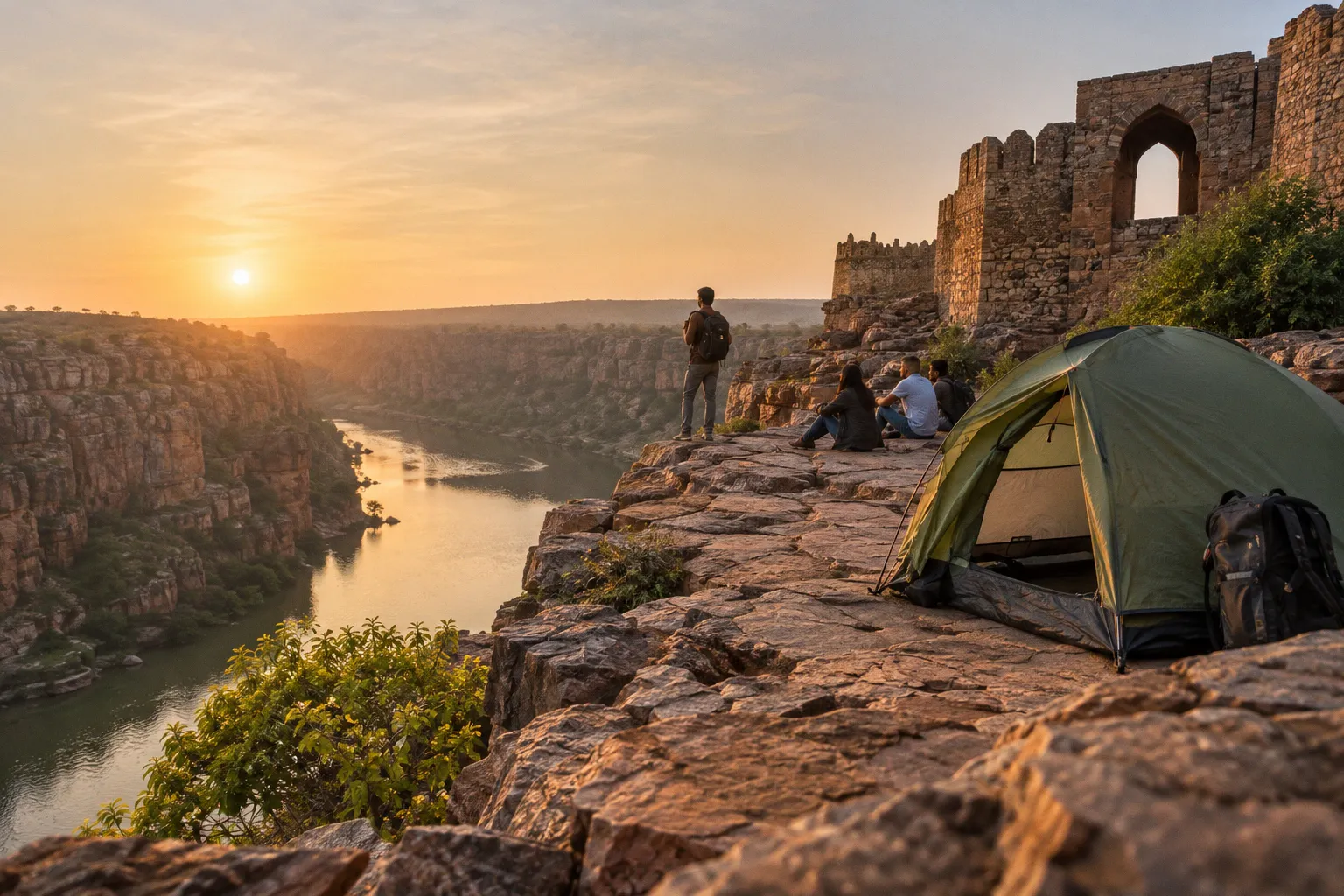
According to Whispers In The Corridors, the 41st Annual Convention of the Indian Association of Tour Operators has concluded in Visakhapatnam, bringing together more than 900 delegates to discuss sustainable destination development and progressive tourism policy. Andhra Pradesh Tourism presented curated circuits and visitor experiences, while delegates joined familiarization tours across the state to help shape new regional itineraries. For travelers planning a route through Andhra Pradesh—and especially for those considering a detour toward Gandikota—the important point is not a promised new attraction, but the possibility that operators may begin assembling the state’s destinations into more connected journeys.
A wider Andhra Pradesh route is taking shape
The convention places Andhra Pradesh within a broader conversation about how destinations are packaged and navigated, rather than treated as isolated stops on a map. The state tourism authority unveiled curated circuits, and delegates traveled through the state to examine experiences that could support future itineraries.
That distinction matters when you are planning an independent journey. A place such as Gandikota is easy to imagine as a single-point excursion: arrive, walk the fort edge, look into the Pennar Gorge, and leave. A circuit approach instead asks how the canyon might intersect with other regional stops, how much time a traveler should reserve, and whether a tour operator’s route gives the landscape enough breathing room rather than reducing it to a quick photograph between transfers.
The convention does not confirm that Gandikota has been included in any newly announced circuit, nor does it provide dates, routes, prices, or changes to local access. For now, the confirmed development is the tourism industry’s effort to design and promote wider Andhra Pradesh travel experiences.
What this means for Gandikota planning
If new itineraries emerge, the first practical question will be whether they improve the approach to the gorge or simply add another name to a crowded schedule. Gandikota rewards orientation: the fort and canyon sit within a larger landscape, and the experience depends on where the route places you, how long you can remain at the viewpoints, and whether the timing allows you to move through the site without being hurried from one landmark to the next.
Until specific operator programs are published, treat broad references to “curated circuits” as an indication of planning activity, not as a ready-made route. Check whether an itinerary actually lists Gandikota, how much time it allocates on site, and what is included between the major stops. The convention’s familiarization tours may help operators build regional products, but the available facts do not establish which locations will appear in those products or how they will be connected.
For independent explorers, this may be a reason to watch the market without abandoning a self-planned route. A packaged circuit could eventually simplify the longer movements between destinations, yet it may also impose a fixed pace across terrain that is better understood slowly, with time to walk the fort perimeter and read the canyon’s changing edges.
The infrastructure signal is elsewhere—for now
The wider Indian tourism landscape is also seeing attention on connectivity and discovery. A report from hospitality.economictimes.indiatimes.com describes a new NH66 flyover at Porvorim in Goa, while ET TravelWorld reports that Visa and ONDC are exploring collaboration to enhance tourism discovery in India. These are separate developments, and neither confirms an improvement to Gandikota access, but together they show the kind of systems—transport links, route discovery, and operator coordination—that can influence how regional travel is assembled.
For a Gandikota visit, the sensible approach is therefore to separate announcement from arrival. The IATO convention confirms renewed attention to Andhra Pradesh as a destination for organized regional travel; it does not yet provide a dependable canyon itinerary. Watch for named routes, published operating dates, and concrete inclusions before reshaping your plans.
When those details do appear, compare the route on a map rather than relying only on its promotional title. A circuit that gives Gandikota a proper pause may be useful; one that merely flanks the gorge on a rushed state-wide loop may leave you with less of the place than a simpler, independently paced visit. And whatever form the next itineraries take, time your canyon walk for the light you want—the edges and red quartzite walls are best understood when the route is not being dictated entirely by the clock.