India’s Strategy to Scale Global Tourism Destinations and Boost Economic Growth
Per coverage from The New Indian Express's Tourism Summit 2026 in Chennai, India's Ministry of Tourism is pushing to expand destination supply at scale.
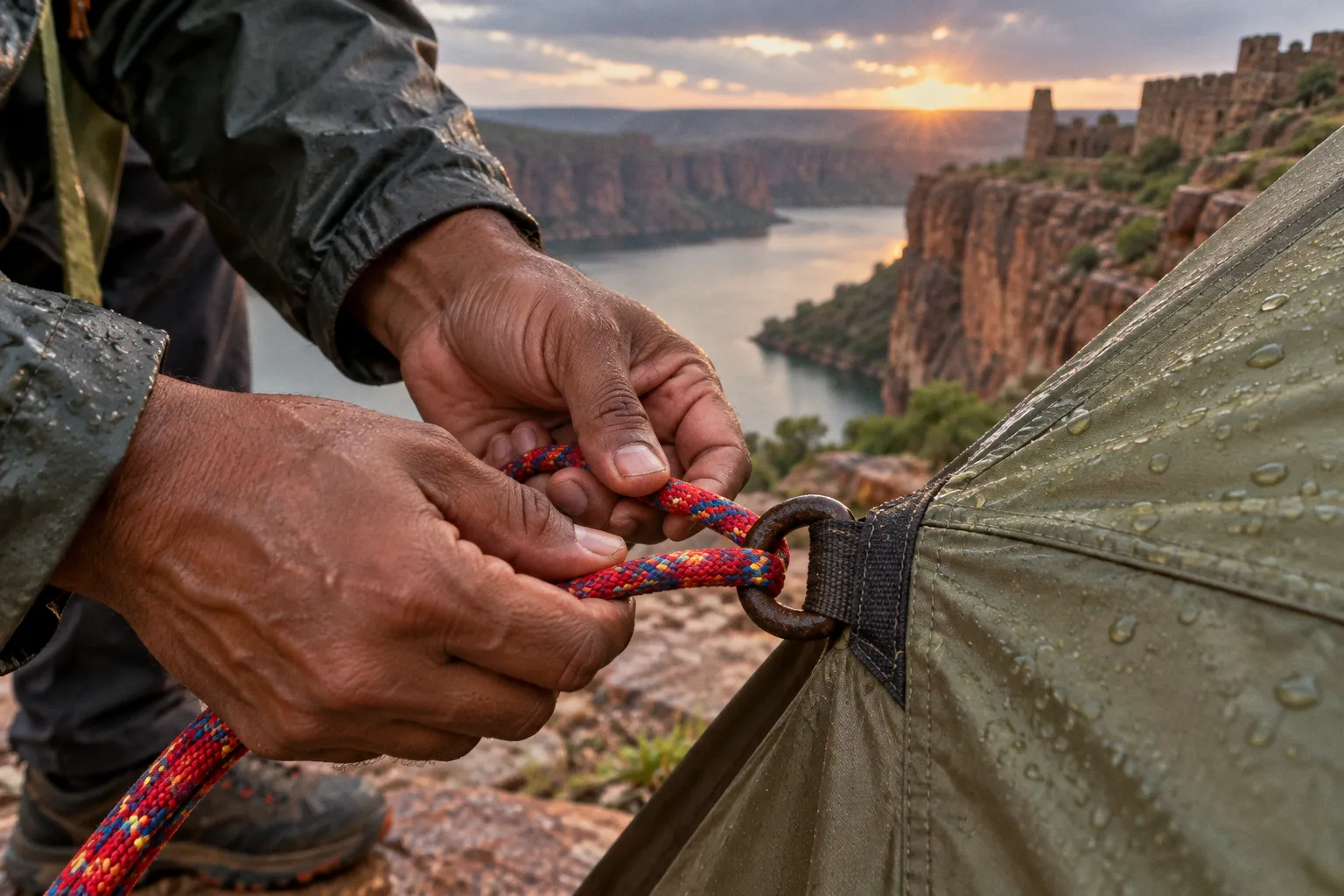
Additional Secretary and Director General Suman Billa told attendees the country must build more "global destinations" domestically to keep pace with travelers now benchmarking Indian sites against overseas competitors.
What the policy framework looks like
Billa flagged an imminent central scheme, "One State, One Global Destination," under which each state can nominate one site for federal funding. The ceiling: ₹500 crore per destination, contingent on the state showing measurable progress. He cited three working templates: Kumarakom in Kerala, a 20-year community build that integrates ecology and local livelihoods; Ekta Nagar around the Statue of Unity, where experiences now include white-water rafting, a zoo, and a wellness garden; and the Kashi Vishwanath Corridor in Varanasi, where opening urban space between the temple and the Ganga reshaped visitor flow.
Stated national targets from the address: lift tourism's share of GDP from roughly 5% to 10% within ten years, and add 25 million tourism jobs to the existing base of 89 million by 2030.
What to track for a place like Gandikota
For an emerging canyon site, the practical filters are concrete, not rhetorical.
- State nomination. Does Andhra Pradesh put Gandikota into the ₹500 crore bracket, or slot in a different destination? A nomination locks in federal attention for at least one funding cycle.
- Ground-level allocation. Of any sanctioned budget, what fraction actually reaches designated bivouac zones, controlled campfire sites, waste handling, and approach-road grading versus hard structures and marketing?
- Dark-sky preservation. Any lighting plan for visitor areas needs a curfew and downward-shield specification. The gorge's stargazing value is the site's competitive edge — lose it and the "destination" label costs more than it returns.
- Access protocol. Permitted camping windows, ranger contact points, and emergency egress routes need to be published before any destination branding goes live. No signage, no permits, no marketing.
- Livelihood integration. Billa's Kumarakom example rests on community-built experience, not just infrastructure spend. Local guide training, homestay standards, and handicraft supply chains matter as much as paved roads.
The parallel signal across this week's coverage — Kerala's stated plan, reported by The Hindu, to roll out 100 new destinations over five years, plus DD News' framing of a broader government competitiveness push — points to a coordinated multi-state sprint rather than a single-scheme story. For independent travelers planning a Gandikota run, the watch-item is what materializes on the canyon rim, not the announcement cycle around it.