Madhya Pradesh Launches Six New Astro-Tourism Hubs for Stargazing Enthusiasts
For expedition planners comparing dark-sky runs across India — including canyon-side options like Gandikota — this is the new grid to map before committing dates or fuel budget.
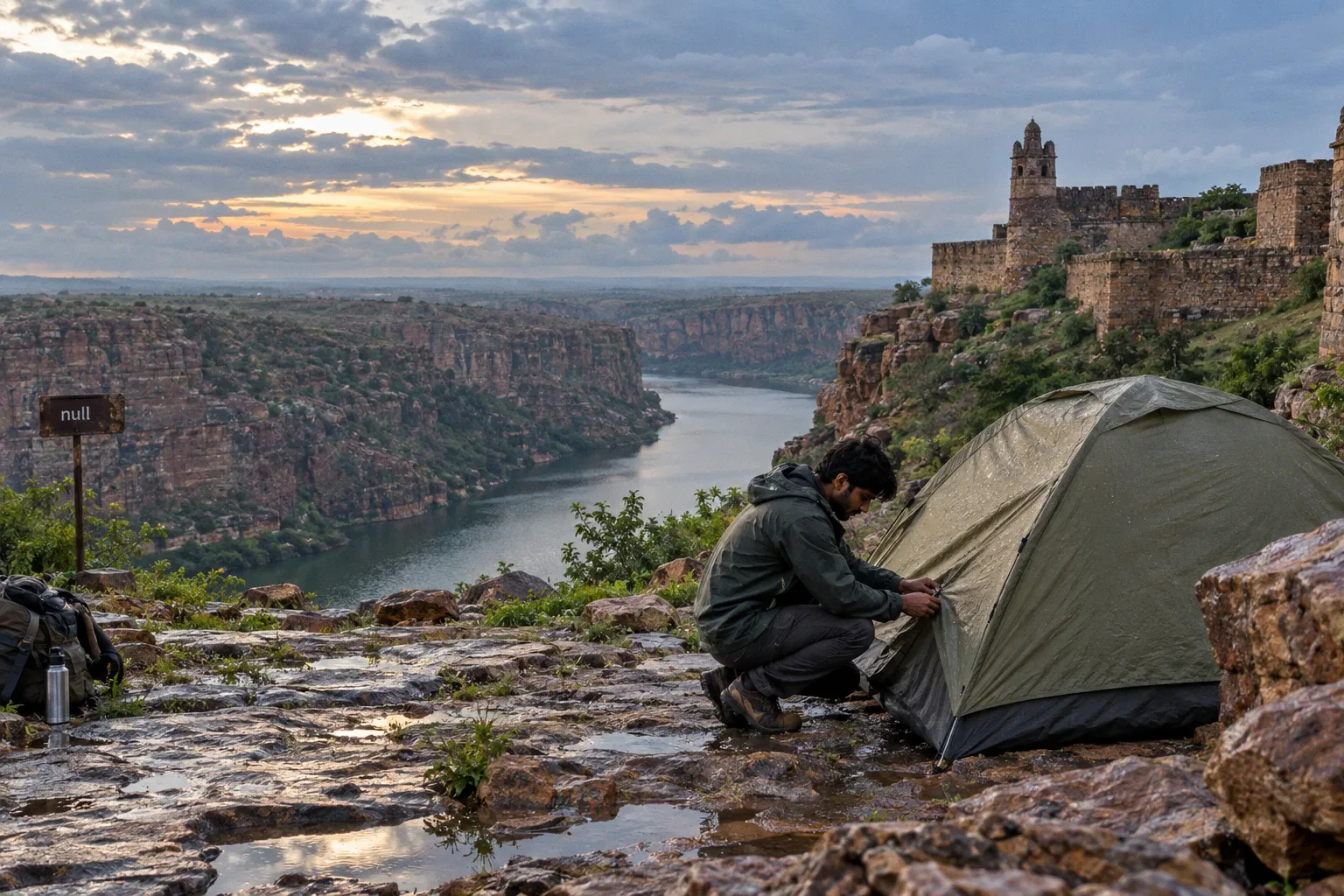
India.com reports that the Madhya Pradesh Tourism Board is converting six rural villages into dedicated astro-tourism and dark-sky destinations, outfitting them with stargazing platforms, telescopes, and trained local astro-guides. The corridor targets low-light-pollution night-sky viewing across Dhar, Chhindwara, Betul, Narmadapuram, Damoh, and Umaria districts. For expedition planners comparing dark-sky runs across India — including canyon-side options like Gandikota — this is the new grid to map before committing dates or fuel budget.
Hardware, guides, geography
The announced kit list is concrete: fixed stargazing platforms, on-site telescopes, and a trained local astro-guide cadre. Three components, three failure modes. Platforms imply permanent structures, not cleared earth. Telescopes mean shared or per-group rigs — verify count and aperture before booking. Guides mean personnel who can align mounts, run a session, and enforce dark-sky conduct on the platform. No opening dates appear in the announcement. Confirm timeline district by district before committing transport or leave.
Geography check: Dhar and Betul sit in western Madhya Pradesh. Chhindwara to the south. Narmadapuram central. Damoh and Umaria stretch east. The six districts span a wide arc. Plan a multi-stop route with fuel legs, not a single destination.
Hanle benchmark and the canyon comparison
The Press Information Bureau confirms the fourth Hanle Dark Sky Reserve Star Party ran September 7 to 12 at the Indian Astronomical Observatory in Ladakh, drawing over 1,200 visitors and locals for guided telescope viewing and light-pollution awareness sessions. Hanle remains the proven benchmark: high altitude, dry air, formal reserve status, documented turnout across multiple editions.
Gandikota's red quartzite canyon is a different problem set. The walls block direct line-of-sight light from nearby settlements, but regional atmospheric scatter still applies. Treat any new MP site and any canyon run the same way: verify recent sky-quality readings from independent sources, not promotional copy. Dark-sky infrastructure is only as reliable as its enforcement on the ground.
Pre-trip verification
- Telescope inventory per site: count, aperture, mount type.
- Astro-guide credentials and language coverage.
- Light-pollution maps for the specific district and date.
- Route and fuel math — the six districts are spread, not clustered.
- Red-light headlamp; preserve dark-adapted vision on the platform.
MP's six-village corridor will not displace Hanle, but it expands the Indian dark-sky map east of the Western Ghats. Track which districts open to public visitors first.