Why India’s Tourism Infrastructure Needs a Radical Overhaul for Modern Travelers
According to The CSR Journal, he is publicly working through what the sector must fix to scale, and The Economic Times reports his core diagnosis is blunt: India needs to fix the travel experience…
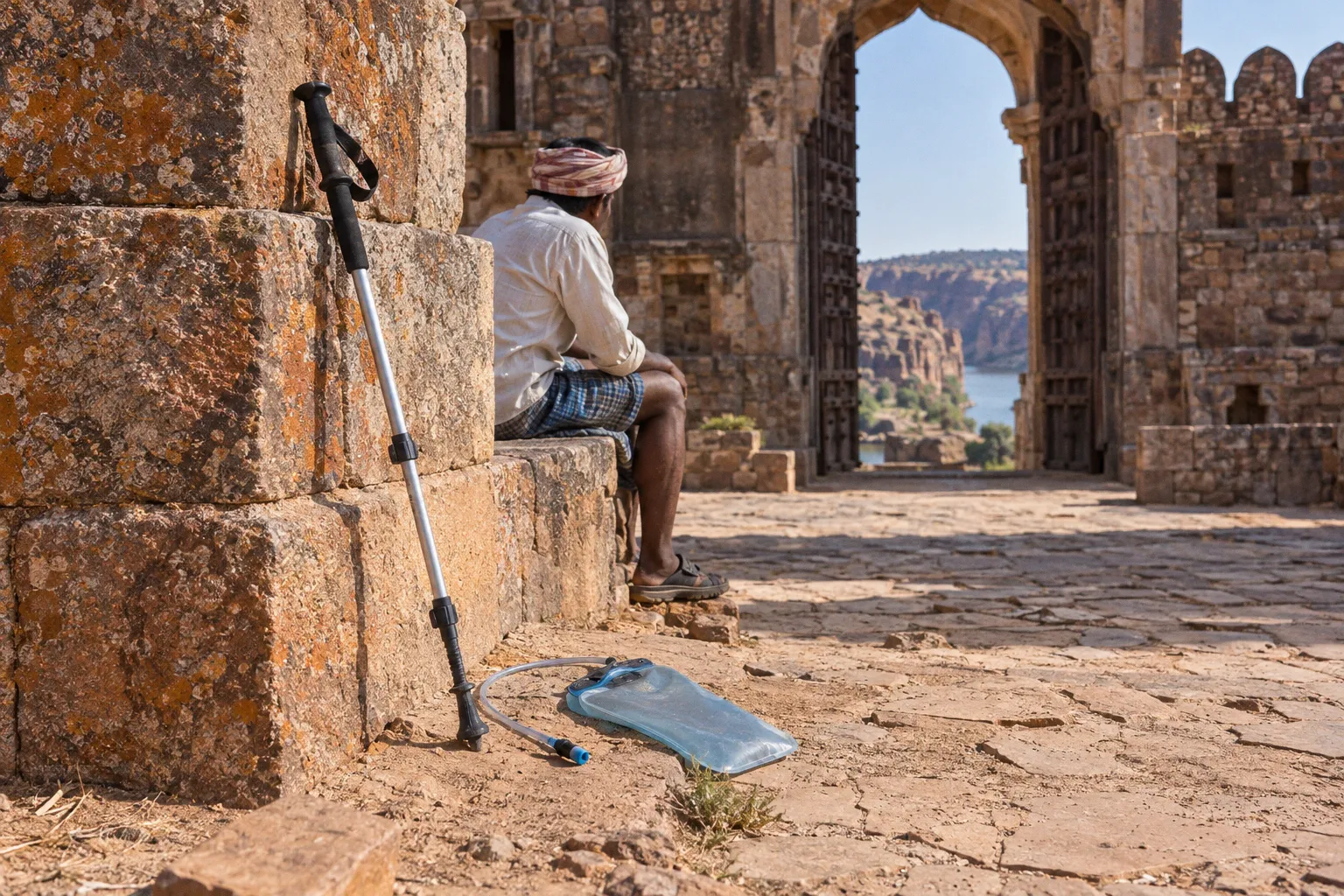
Nikhil Kamath has put India's tourism gaps back on the front page. According to The CSR Journal, he is publicly working through what the sector must fix to scale, and The Economic Times reports his core diagnosis is blunt: India needs to fix the travel experience before it can pull in more foreign visitors. For anyone planning an independent expedition into the country's quieter corners, the framing matters more than the name attached to it.
The diagnosis: experience over image
Kamath's argument, as The Economic Times frames it, centers on the friction foreign tourists hit on the ground rather than on glossy marketing collateral. The specific data points are not in the available reporting, but the takeaway is structural: the gap sits between the inbound journey and what the in-country product actually delivers. For independent travelers mapping routes through canyon country, that diagnosis lands close to home. A red-quartzite canyon punishes anyone who books by brochure and then discovers the road surface, the water access, and the campsite rules on arrival. The same conditions Kamath is flagging at national scale are exactly what a bivouac trip surfaces within the first six hours.
A parallel signal from the north
Separately, urbanacres.in reports a cross-border tourism pact boosting India–Nepal travel. The mechanism is different — bilateral access rather than domestic infrastructure — but the timing clusters with the broader debate Kamath has opened. More movement across the India–Nepal corridor means more trekkers and overlanders filtering south toward the Deccan, often with a kit list calibrated for Himalayan altitudes. On canyon terrain under harsh daytime heat, that gear mismatch surfaces as dehydration, heat exhaustion, and route-finding errors by visitors who assumed the conditions would feel familiar.
What a self-reliant visitor should verify now
Until the policy and infrastructure side catches up, the load falls on the traveler. Before committing to a canyon expedition — Gandikota or otherwise — confirm road access for the specific date you plan to travel, verify whether a forest-department permit or local guide is required rather than recommended, and check whether drinking water is sourced on-site or has to be carried in. Treat operator imagery as the ceiling of what is possible, not a baseline. Kamath's intervention is a signal that operators and regulators are hearing the complaint. The fixes will not arrive before the next dry season.