West Bengal Launches Ambitious Restoration Project for 135 Heritage Landmarks
According to The Statesman, the Bengal tourism department is sketching out a makeover for 135 heritage sites across the state, with the Archaeological Survey of India stepping in alongside state…
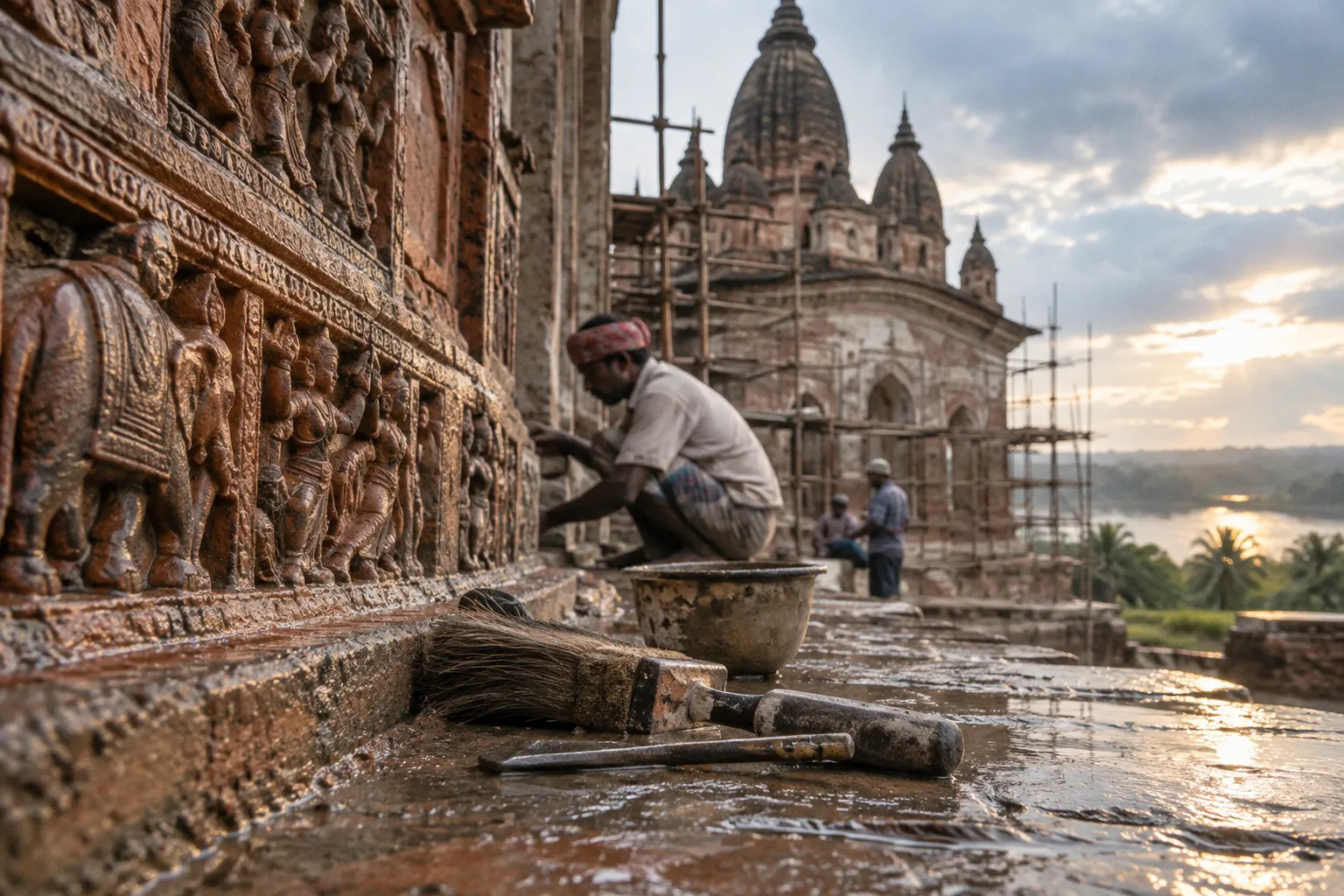
According to The Statesman, the Bengal tourism department is sketching out a makeover for 135 heritage sites across the state, with the Archaeological Survey of India stepping in alongside state authorities to shape how older buildings get reused. As The Telegraph India frames it, this reads less like a single project than the state-level arm of a wider national conversation about adaptive reuse — and for those of us who travel India's heritage corridors, that conversation eventually reshapes what we find standing at the gate.
Where Bengal fits in the wider heritage map
We tend to think of site-level upgrades as purely local affairs, but the Bengal announcement slots into a broader pattern. The Telegraph India coverage highlights state authorities and ASI working together on heritage tourism and the adaptive reuse of old buildings, a pairing that suggests central protection norms are being threaded more directly into tourism-facing decisions. For independent travelers who stitch together circuits around protected monuments — and many of us who follow these routes do exactly that — the practical question is always the same: will this mean smoother access once the work is done, or temporary closures while it is underway? Restoration announcements rarely arrive with a clean schedule, so the honest answer tends to be some of both. The Bengal plan also lands alongside other recent heritage-tourism coverage, including a Jammu media delegation touring sites in Madhya Pradesh and fresh explainers mapping out West Bengal's wider approach — all of it pointing to a stretch in which Indian heritage infrastructure is being reconsidered site by site.
What the headlines tell us, and what they leave out
The snippets available to us give only the bones: 135 sites flagged in Bengal, ASI involvement in adaptive reuse discussions, and the framing of a coordinated state–central approach. What we do not yet have from the published reporting are the specific site names, the timeline, or the budget — the details that actually shape whether a heritage traveler adjusts a route or carries on as planned. Until fuller coverage lands, treat the headline as a signal worth noting rather than a confirmed change to your itinerary. The gap between announcement and execution is often long, and the projects that survive contact with funding cycles are usually the ones worth waiting for.
Keeping your route flexible through the work season
If you are building a heritage circuit anywhere in India — and the sites we write about here sit firmly inside that wider landscape — the practical move is the same one we lean on whenever a major restoration is announced: keep an eye on the relevant state tourism portal and the ASI circulars in the weeks before you travel, and leave a buffer day at any site flagged for work. Once the dust settles, these projects tend to sharpen the experience — clearer approach paths, better lighting on key structures, and visitor facilities that match the weight of the place. In the meantime, patience and a flexible plan go further than a locked-in booking, especially when the restoration in question is still more blueprint than brick.