Karnataka Plans Massive Restoration of 100,000 Heritage Monuments
We learned from Deccan Herald this week that the Karnataka Heritage and Cultural Foundation is moving to conserve one lakh monuments across the state, and for travelers who route their trips around…
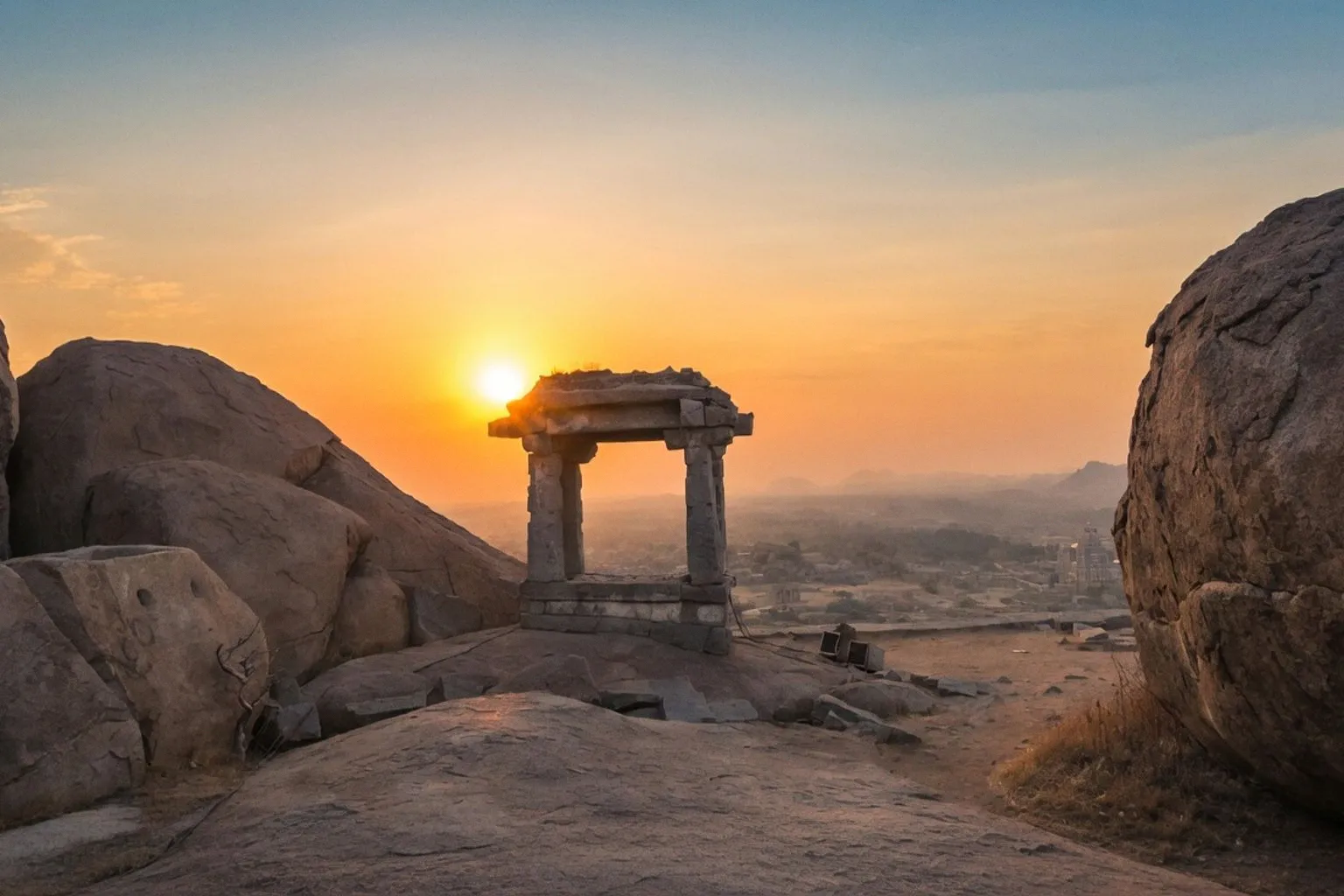
We learned from Deccan Herald this week that the Karnataka Heritage and Cultural Foundation is moving to conserve one lakh monuments across the state, and for travelers who route their trips around crumbling shrines and forgotten forts in the Deccan, that number — roughly one hundred thousand sites — is worth pausing on. Few things derail a heritage road trip faster than arriving at a monument only to find it locked, overgrown, or quietly absorbed into the surrounding farmland, and it is exactly this everyday frustration that gives the announcement its quiet weight for those of us walking the gorge country.
The announcement, as far as it is reported
Deccan Herald's headline carries the core claim: the foundation intends to conserve one lakh monuments. Beyond that, the details that usually help us plan a route — which districts are prioritized, what "conserve" means in practice, whether gated ticketing or access changes will follow — are not yet visible in the report we have. Until fuller reporting lands, treat the figure as a stated target rather than a finished program. The word "conserve" itself, as any heritage walker knows, covers a wide spectrum — from a simple clearing of brush and a locked iron gate to full structural restoration — and which end of that spectrum the foundation lands on will determine whether these sites become easier or harder to visit.
Why it reaches across the gorge
Gandikota sits just across the Pennar from Karnataka's northern districts, and the heritage landscape on both sides of that river shares the same red quartzite, similar fort-building traditions, and the same patchwork of under-documented shrines lining the back roads. When a neighboring state scales monument conservation by an order of magnitude, the ripple tends to reach how funding, trained masons, and visitor infrastructure get distributed across the broader Deccan plateau. Heritage routes we have walked — chains of minor sites stitched together by walking paths, forest tracks, and shared jeep junctions — often live or die on whether a single key monument receives a caretaker, a perimeter wall, or simply an interpretive sign. The northern Karnataka districts, just a day's drive northwest of the gorge, hold the kinds of hilltop forts and stone temples that have long sat in that precarious middle zone — known to locals, absent from most guidebooks, and one budget cycle away from either collapse or restoration.
What to watch before your next trip
We will be paying attention to whether the foundation's list overlaps with sites our readers actually traverse: lesser-known fortresses scattered across the state's northern tier, the temple lines east toward Hampi, and the small fort-and-tank complexes that flank the highways running south toward the gorge. If you are planning a winter crossing into the state, it is worth checking, closer to your dates, whether newly listed monuments carry revised access hours, photography rules, or entry fees. Watch, too, for how local transport adjusts — when a site gains official status, the auto-rickshaw and shared-taxi networks that serve it tend to reorganize within a season. Until then, keep your routes flexible and carry paper backup maps, because the ground truth in this region has a habit of shifting faster than the press releases do.