DakshinaChitra: Exploring the Living Traditions of South Indian Heritage
As The Times of India frames it, DakshinaChitra has been cast as "a living canvas of South India's heritage," and for those of us who spend our days tracing the quartzite edges of the Pennar Gorge…
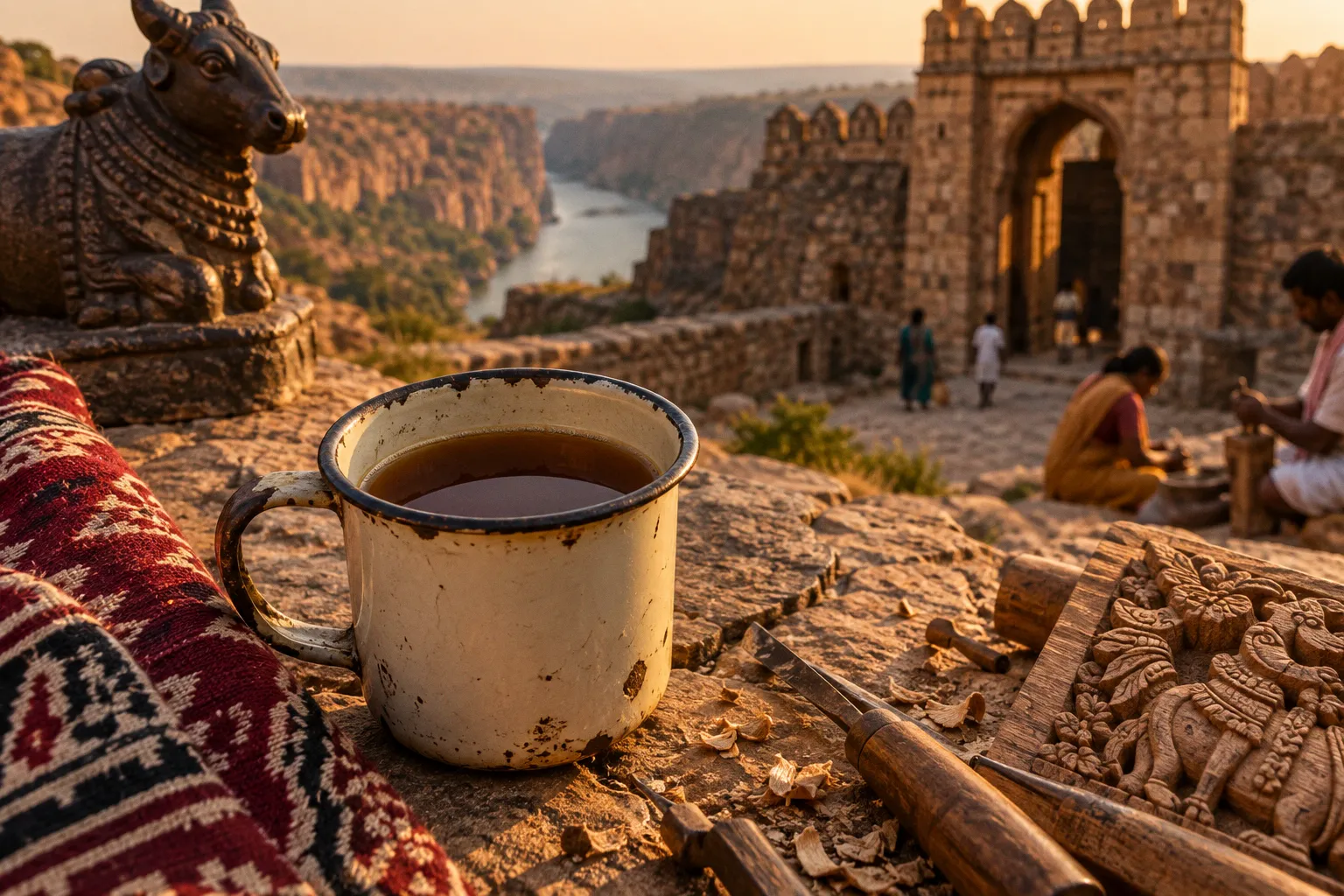
As The Times of India frames it, DakshinaChitra has been cast as "a living canvas of South India's heritage," and for those of us who spend our days tracing the quartzite edges of the Pennar Gorge, that phrase carries real weight. We tend to think of South Indian heritage as stone—forts, temples, inscriptions carved into canyon walls—but the heritage route runs through more than monuments alone. It runs through the way people built, cooked, and gathered, which is precisely the territory DakshinaChitra, situated near Chennai on the Coromandel coast, has long claimed for itself.
What the framing actually points to
The headline alone tells us that a major national daily has chosen to position DakshinaChitra not as a museum you walk through in an hour, but as a canvas in the older sense—a surface on which something is still being painted. For heritage travelers mapping the south, that distinction matters because it reframes how we plan our visits: not as a checklist of completed structures, but as a site where craft traditions, domestic architecture, and regional identity remain in active use. We read the Times of India framing as an invitation to treat the visit the way we treat Gandikota's fort complex—slowly, with attention to the spaces between the headline monuments.
A wider heritage conversation in the background
We noticed the piece sits inside a broader September cluster of heritage coverage running through the South Asian press. DD News carried a note on Prime Minister Modi's remarks about preserving India's cultural heritage under a "Virasat Bhi, Vikas Bhi" vision, and the Hindustan Times ran a long read on making Delhi's heritage and infrastructure resilient within the Master Plan for Delhi 2047—linking monuments to floodplain restoration, the Ridge, and proposed cycling corridors. None of this is about DakshinaChitra directly, but together it sketches the larger atmosphere in which a heritage village near Mahabalipuram gets called a "living canvas." When a country's policy language starts weaving heritage into resilience planning, smaller living-heritage sites gain a different kind of visibility on the traveler's map.
What this means for your route south
If you are already routing through the Pennar Gorge and the Gandikota canyon, think of DakshinaChitra as the coastal counterweight on the same heritage arc: red quartzite forts inland, timber and tile heritage homes on the coast. Practical note—plan it for morning light on the reconstructed traditional houses; east-facing verandas and central courtyards read best before the midday sun flattens the textures, and the craft demonstrations tend to begin early. Pair the visit with a slower afternoon if you can, because the value here lies in the details you only catch when you are not rushing toward the next fort wall.