Cartagena Cathedral Restoration Launches New Heritage Conservation Initiative
According to ANSA, renovation and waterproofing work has begun on the roof of the Cathedral of Saint Catherine of Alexandria in Cartagena de Indias, marking the first visible phase of a wider…
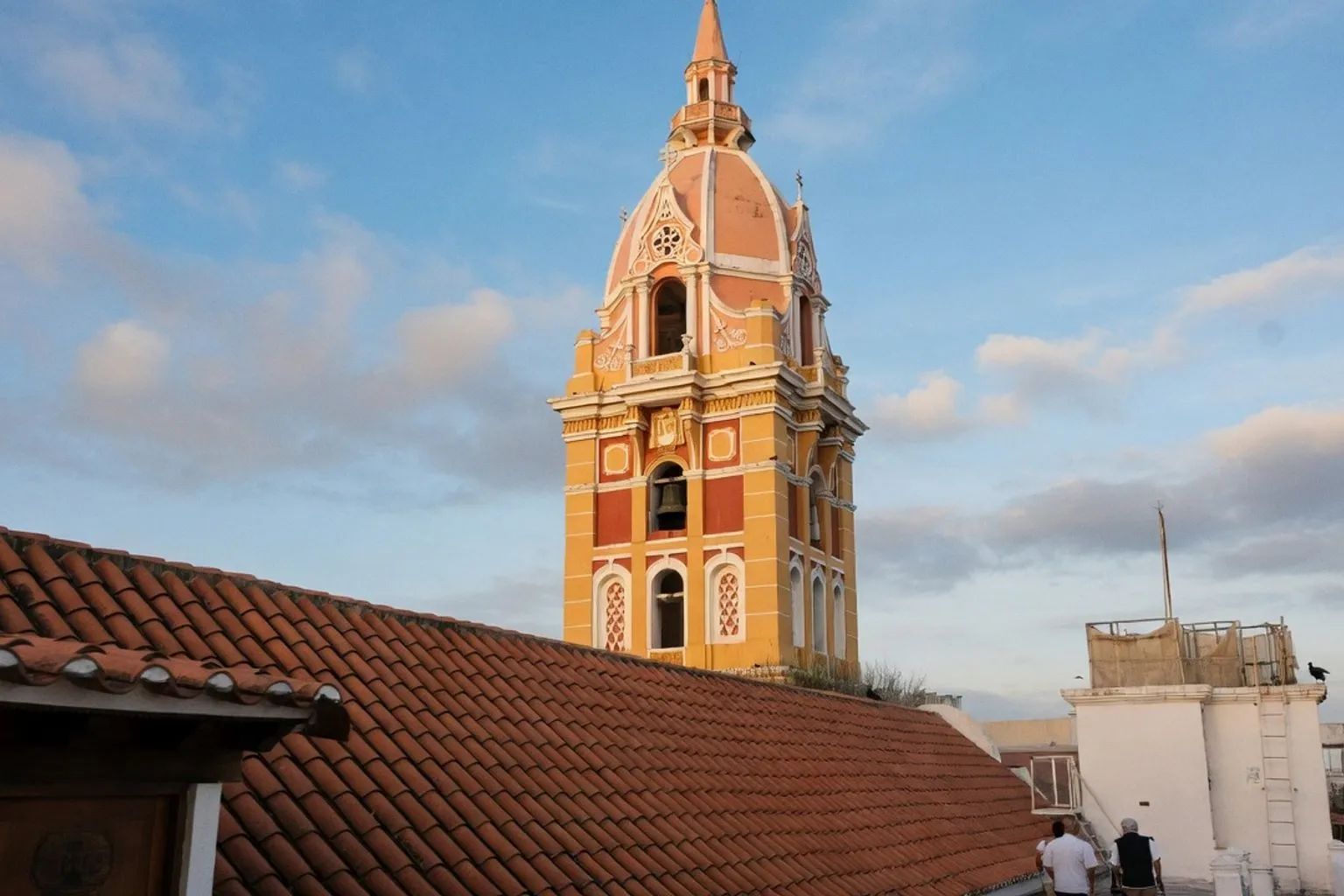
According to ANSA, renovation and waterproofing work has begun on the roof of the Cathedral of Saint Catherine of Alexandria in Cartagena de Indias, marking the first visible phase of a wider heritage-conservation project supported by the Italian government through the Italian Agency for Development Cooperation (AICS). The initiative matters beyond the cathedral itself: it links structural protection with sustainable tourism, training, and the creation of new pedestrian routes through the city’s fortified historic area. For anyone who plans heritage-focused travel, the practical lesson is simple—conservation work can reshape how a monument is approached long before a finished route appears on a visitor map.
The first intervention is above the visitor’s sightline
The cathedral’s roof is the starting point for the project, with renovation and waterproofing intended to secure the building’s physical integrity before further heritage enhancements are undertaken. The announcement came from Italy’s ambassador to Colombia, Giancarlo Maria Curcio, together with Cartagena de Indias’ municipal administration.
That sequence is important. The project is not presented as a cosmetic upgrade or a visitor-facing redesign at the outset; it begins with the less visible work of protecting the structure itself. Only after that stage, according to the project description, can attention turn to the elements that express the cathedral’s historical, cultural, and religious identity, including contributions associated with Italian clergy and artists.
For visitors, this means that the most consequential work may be taking place overhead and behind the familiar visual frame of the building. If you are navigating the historic center during the works, do not assume that the most obvious landmark tells the whole story of what is open, restricted, or being prepared for later interpretation. The available announcement does not provide a timetable for visitor access or describe any specific closures.
A wider route through the fortified area
The cathedral work is described as the first step in a broader initiative with three connected strands: conservation and restoration, sustainable tourism, and training. Planned interventions include the La Tenaza Bastion, the “Murallita del Diablo” or Little Devil’s Wall, and a future elevated walkway linking the bastions of San Ignacio and San Francisco Javier.
Read spatially, this is more than a series of separate repairs. The proposed walkway would connect defensive structures that are currently understood as distinct points in the fortified landscape, while the wider programme aims to create new pedestrian tourist routes through the historic center. The project therefore places movement—how visitors traverse, intersect, and read the walls—alongside the preservation of individual structures.
That approach will be familiar to anyone who explores a heritage site by walking its edges rather than moving directly between headline monuments. At Gandikota, the most useful understanding of the fort and gorge also comes from relationships: the way walls meet the plateau, how viewpoints open toward the Pennar Gorge, and where a route changes from built heritage to exposed terrain. Cartagena’s project, as reported, follows a comparable principle of connecting conservation with the way people move through a historic setting, although it concerns a different landscape and no direct link to Gandikota is stated.
What to watch before planning a visit
The initiative is backed by a €3 million donation from the Italian government, coordinated by the Italian Embassy and AICS, and is described as Cartagena de Indias’ largest international cooperation project in the fields of heritage conservation, sustainable tourism, and local economic strengthening. The announcement also frames the city’s heritage as something intended to remain active and connected to history, identity, and development rather than isolated as a static display.
For travelers, the important uncertainty is timing. The source identifies the cathedral roof as the opening phase and names several planned interventions, but it does not establish when the bastion work or elevated walkway will begin, nor when any new pedestrian routes will be complete. Those details should be checked locally before you build a visit around a particular wall section, bastion, or cathedral approach.
If you do go while work is underway, treat the historic center as a changing route rather than a fixed diagram: confirm access near the cathedral, allow flexibility around the fortified area, and plan your walking sequence only after checking the latest local information. Conservation is often easiest to understand from the ground, where scaffolding, redirected paths, and protected surfaces reveal which parts of a monument are being secured before they are made newly visible.